


How Long Do Butterfly Valves Last?
A butterfly valve can last 10 to 20 years under normal operating conditions. In some applications, particularly clean water and HVAC systems, a properly selected and maintained valve can remain in service for more than 25 years.
However, service life varies from one application to another. Operating frequency, fluid characteristics, working pressure, temperature and installation conditions all affect how long a valve will perform reliably. Choosing the right valve at the beginning is one of the most effective ways to avoid premature failure and unnecessary maintenance costs.
Service Life of Different Butterfly Valve Types
Different butterfly valve designs have different operating characteristics, which can affect their service life.
A Wafer Type Butterfly Valve is widely used in water supply, HVAC and general industrial pipelines. Its compact design makes installation economical, but correct flange alignment and gasket installation are important. Excessive pipeline stress or uneven bolt tightening can damage the valve or affect its sealing performance.

A Lug Style Butterfly Valve features threaded lugs around the valve body, allowing one side of the pipeline to be disconnected while the valve remains installed. This design is particularly useful for maintenance and dead-end applications. With proper installation and operation, it can provide many years of reliable service.

A Flanged Butterfly Valve has integral flange connections that provide a stable connection to the pipeline. It is commonly selected for larger pipelines and applications where installation stability is important. Its robust construction can also help reduce the effects of pipeline vibration and external loads.
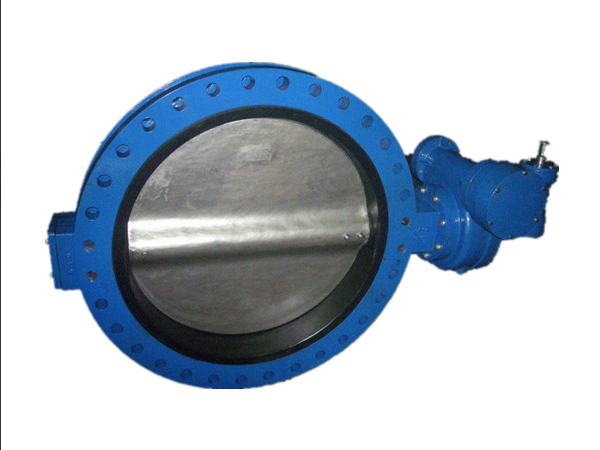
For more demanding conditions, High Performance Butterfly Valves use double-offset or triple-offset designs. Depending on the seat construction, they can handle higher pressures and temperatures than conventional concentric butterfly valves. Metal-seated designs are particularly suitable for applications involving high temperatures or more demanding operating conditions.
A Butterfly Check Valve works differently from an ordinary butterfly valve. It opens and closes automatically according to flow direction. Its service life mainly depends on disc movement, hinge components and seat wear.
The Actuator Can Affect Overall Service Life
In many automated installations, the actuator may need replacement before the valve body or disc reaches the end of its service life.
A Manual Butterfly Valve operated by a lever or gearbox has a relatively simple structure. With fewer mechanical and electrical components, it generally requires less maintenance.
A Pneumatic Butterfly Valve relies on compressed air to operate. Moisture, dirt and unstable air pressure can affect actuator performance and damage internal components. Installing suitable air filters and maintaining a clean, dry air supply can help extend its working life.
A Motorized Butterfly Valve uses an electric actuator equipped with a motor, gearbox and control components. These parts are subject to wear over time. In many cases, the actuator can be replaced without changing the entire valve, reducing maintenance costs.
When purchasing a Butterfly Valve and Actuator assembly, make sure the actuator output torque matches the valve operating torque. An undersized actuator may struggle to open or close the valve, particularly when operating conditions become more demanding.
How Valve Materials and Sizes Affect Service Life
Material selection is another important factor.
A Stainless Steel Butterfly Valve offers good corrosion resistance and is suitable for applications where cast iron or carbon steel may not provide sufficient protection. It is commonly used in chemical processing, marine environments, food production and other applications requiring better corrosion resistance.
The seat material must also be compatible with the working medium. EPDM is commonly used for water applications, NBR for oil-related services, and PTFE for many chemical applications. Incorrect material selection can lead to swelling, hardening, cracking or leakage.
Valve size also affects operating torque and component loading. An 8 Inch Butterfly Valve and a 10-inch butterfly valve may look similar in construction, but the larger valve generally requires greater operating torque.
For larger sizes, the shaft strength, disc design, seat structure and actuator capacity should all be carefully checked. Gear-operated manual valves or properly sized pneumatic and electric actuators are often preferred.
How to Extend the Service Life of a Butterfly Valve
Regular maintenance and correct operation can significantly reduce premature valve failure.
-
Select the correct seat material: Make sure EPDM, NBR, PTFE or other seat materials are suitable for the actual medium and operating temperature.
-
Avoid improper throttling: Operating a valve continuously at an unsuitable opening position can cause uneven wear, vibration and damage to the seat.
-
Operate the valve periodically: Valves that remain unused for long periods may become difficult to operate. Periodic operation helps identify problems before they become serious.
-
Inspect sealing components: Check the seat, disc, stem packing and flange connections for signs of leakage, corrosion or mechanical damage.
-
Maintain the actuator: Keep pneumatic air supplies clean and dry, and check electric actuator settings and mechanical connections regularly.
Final Thoughts
A butterfly valve with the correct materials, design and operating specifications can provide 10 to 20 years of service in many industrial applications. Some valves can last considerably longer when working conditions are suitable and maintenance is carried out properly.
For buyers and engineers, the key is not simply choosing a low-cost valve. It is selecting the right valve type, body material, seat design and actuator for the actual pipeline conditions. A suitable specification can reduce downtime, maintenance expenses and the need for early replacement.
Tianjin Top Automation Equipment Co.,Ltd
Whatsapp: 008619501998923
Whatsapp: 008619501998923
www.dytopvalve.com